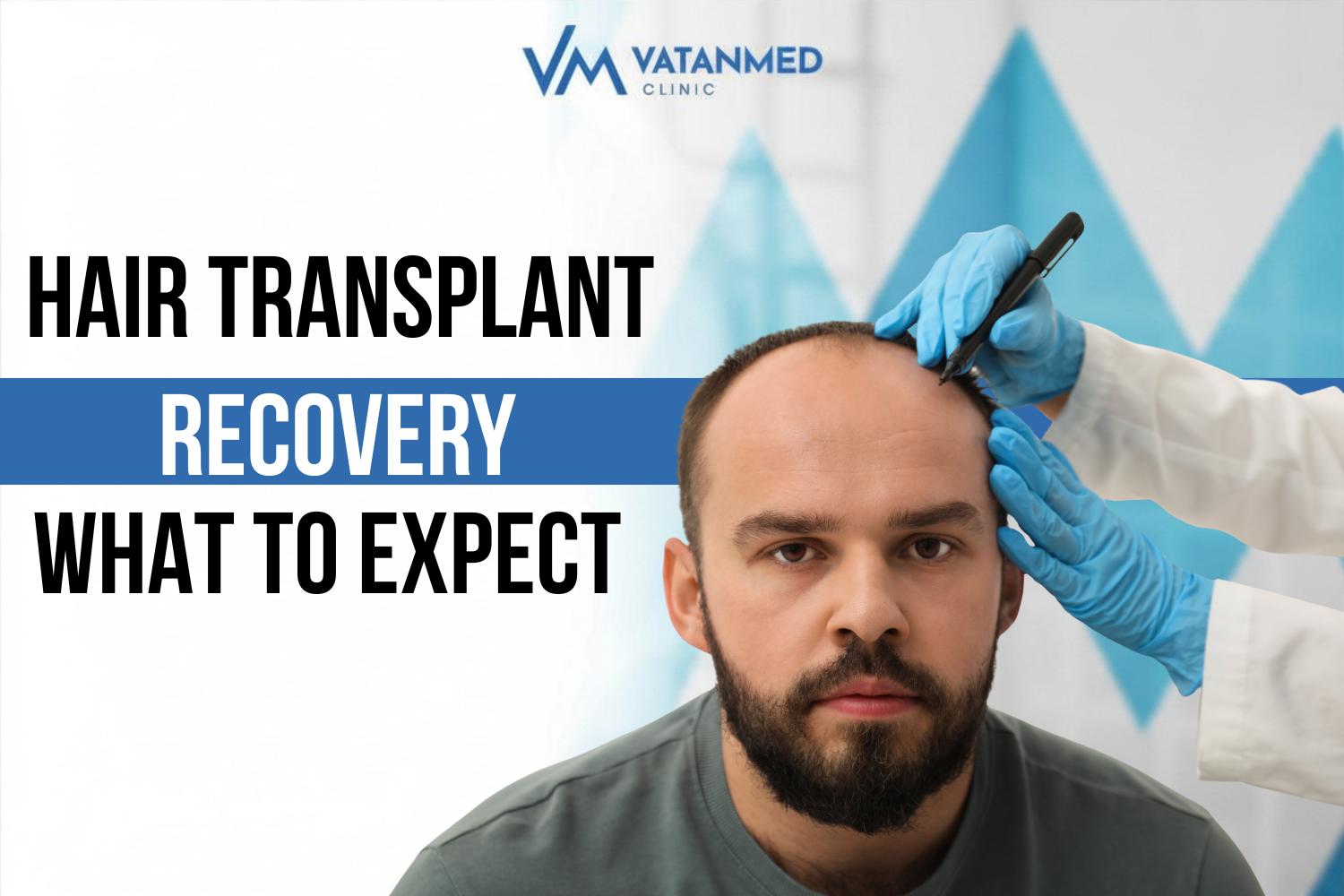
A hair transplant is a modern and increasingly popular procedure that can restore a natural appearance and improve confidence. However, while many people focus mainly on the procedure itself, there is another stage that is just as important: hair transplant recovery.
The recovery period plays a major role in shaping the final outcome. Even a well-performed procedure still requires proper aftercare so the transplanted grafts can settle correctly and grow as expected. For that reason, patients should understand one key idea from the start: a hair transplant is a process, not an instant result.
Because the final outcome develops gradually, hair transplant recovery becomes a crucial part of the journey. With the right preparation, clear guidance, and consistent care, recovery is usually smooth and predictable. In addition, knowing what happens at each stage helps reduce stress and allows patients to approach the process with more confidence.
This article follows the same blog structure used on the VatanMed reference post, with a clear introduction, practical H2 sections, process explanation, aftercare guidance, FAQ, and a strong final CTA. That helps keep the blog format unified across the website.
Why Is Hair Transplant Recovery So Important?
Many patients think the most important part of treatment is the day of the procedure. In reality, hair transplant recovery is equally important because it supports the healing process and protects the newly placed grafts.
During recovery, the scalp goes through several natural stages. At first, the area may look red, sensitive, or slightly swollen. Later, scabs form, shedding may occur, and then new growth begins. Although these changes are normal, they can feel confusing if the patient is not prepared.
That is exactly why proper guidance matters. Good recovery habits help:
- protect the transplanted grafts
- support healthy healing
- reduce unnecessary irritation
- lower the chance of avoidable mistakes
- improve the conditions for natural-looking results
In other words, hair transplant recovery is not just the period after the procedure. Instead, it is the foundation for the final result.
To learn more about available treatment options, you can visit the VatanMed website.
What Does the Hair Transplant Healing Process Look Like?
Hair transplant recovery happens in stages. Each stage is a normal and expected part of the process. Even so, the appearance of the scalp can change often during the first weeks, which may lead to unnecessary concern if the patient does not know what to expect.
Understanding what is temporary, what is normal, and what usually improves with time makes the healing process much easier to manage. Therefore, it helps to look at recovery step by step.
The First Days After a Hair Transplant (Days 1 to 3)
The first few days are the most sensitive phase of hair transplant recovery.
During this stage, the transplanted grafts begin to settle into the scalp and need careful protection. As a result, patients should be especially cautious with movement, sleep position, and contact with the treated area.
What to Expect
In the first days, it is normal to notice:
- mild redness in the treated area
- slight swelling, often around the forehead
- a feeling of tightness
- small scabs forming around the grafts
These signs are usually part of the normal healing response.
Key Recommendations
During this period, patients are generally advised to:
- rest and avoid physical effort
- avoid touching or scratching the treated area
- follow sleeping instructions carefully
- avoid bending the head forward too much
- protect the scalp from accidental contact
This early phase is critical. Therefore, careful behavior during the first days can help keep the grafts stable and support healthy healing.
The First Week: Early Hair Transplant Recovery
Within a few days, small scabs begin to form around the transplanted grafts. This is a natural and expected part of hair transplant recovery. At this stage, patience becomes especially important.
What to Keep in Mind
During the first week, patients should usually:
- avoid picking or removing scabs
- avoid scratching the scalp
- follow washing instructions exactly
- avoid direct sun exposure
- avoid tight headwear
Although it may be tempting to interfere with the healing process, the scalp needs time to recover naturally. Consequently, allowing scabs to loosen and fall away on their own is an important part of proper aftercare.
Washing Your Hair After a Hair Transplant
Hair washing is one of the most common concerns during hair transplant recovery. Many patients worry that they could damage the grafts while washing. However, proper washing is not only safe when done correctly, but also necessary for healing.
Key Hair Washing Guidelines
Patients are usually advised to:
- use lukewarm water
- avoid strong water pressure directly on the scalp
- avoid rubbing or scrubbing the treated area
- use gentle recommended products
- pat dry carefully without friction
Following the correct washing routine helps remove impurities, reduce irritation, and support the healing environment of the scalp.
Sleeping After a Hair Transplant
Sleep position plays an important role in the early part of hair transplant recovery.
Recommended Sleeping Position
During the first stage, patients are often advised to:
- sleep on the back
- keep the head elevated
- avoid contact with the transplanted area
This sleeping position may help reduce swelling and protect the grafts from accidental pressure during the night.
Weeks 2 to 3: Visible Improvement
After about two weeks, many patients begin to notice a clear improvement in the appearance of the scalp. At this point, hair transplant recovery often feels easier and more manageable.
What Usually Changes During This Stage
Patients may notice:
- scabs disappearing
- redness gradually fading
- the scalp starting to look more natural
- improved comfort overall
Because of these improvements, many patients feel more confident returning to normal daily routines around this stage.
Months 1 to 3: The Shock Loss Phase
This stage often causes unnecessary worry. However, it is a normal part of hair transplant recovery.
During this period, transplanted hairs may begin to fall out. This phase is commonly known as shock loss.
Important Facts About Shock Loss
It is helpful to remember that:
- the hair falls out, not the follicles
- the roots remain in place under the scalp
- this is part of the natural hair cycle
After this temporary phase, new growth usually begins. Therefore, understanding shock loss is essential because it helps patients avoid panic and stay patient with the process.
Months 4 to 8: New Hair Growth Begins
This is often the stage patients look forward to most. By this point, hair transplant recovery moves into the growth phase.
What Happens During This Stage
Patients may notice:
- new hair starting to grow
- density gradually increasing
- the hair becoming stronger over time
At first, the new hair may look softer or thinner. Even so, this is generally normal. As the months continue, the hair usually becomes thicker, stronger, and more noticeable.
Months 9 to 12: Final Hair Transplant Results
The full results of a hair transplant are usually evaluated after about one year. By this stage, hair transplant recovery has progressed through the main healing and growth phases.
At this point, patients may expect:
- fuller visible density
- a natural-looking hairline
- more stable and consistent growth
- an improved overall appearance
This is the stage when the final transformation usually becomes much clearer.
When Can You Return to Work and Daily Activities?
Many patients can return to work within a few days, especially if their job is not physically demanding. However, hair transplant recovery still requires certain precautions in the early stage.
Activities to Avoid Early On
Patients are commonly advised to avoid:
- intense physical activity
- heavy sweating
- physically demanding tasks
Instead, returning to normal activities should be gradual. That approach helps protect the grafts and supports a smoother recovery.
Daily Activities: What Should You Be Careful About?
Even simple daily habits can affect hair transplant recovery. For that reason, patients should remain aware of how they treat the scalp during the early weeks.
Sun Exposure
After the procedure, the scalp is usually more sensitive. Therefore, it is important to:
- avoid direct sunlight
- protect the scalp when outdoors
Physical Activity
Patients should usually:
- postpone intense exercise for a few weeks
- avoid activities that cause excessive sweating
Wearing Headwear
If headwear is used, it should generally:
- fit loosely
- avoid pressure on the treated area
Sauna and Swimming
During early recovery, patients are typically advised to:
- avoid sauna use
- avoid swimming pools and similar environments
- avoid excessive heat and moisture that may affect healing
Taking these precautions can help protect the transplanted area and support better results.
Common Mistakes After a Hair Transplant
Some mistakes can interfere with hair transplant recovery and affect the final outcome. Fortunately, most of them are avoidable.
Common Recovery Errors
These may include:
- touching or scratching the scalp
- returning to sports too early
- washing the scalp incorrectly
- ignoring medical instructions
- exposing the scalp to direct sunlight
- expecting results too quickly
The most important rule is simple: patience and consistency matter. Patients who follow aftercare advice carefully usually experience a smoother recovery process.
Is Hair Transplant Recovery Difficult?
For most patients, hair transplant recovery is not especially difficult. In fact, it is usually manageable when the patient is well prepared and follows the clinic’s instructions.
The main factors that support a good recovery are:
- proper preparation
- clear instructions
- realistic expectations
- support from the clinic
- consistent aftercare habits
Because of this, patients who understand the process in advance often feel calmer and more confident throughout recovery.
Is There Medical Guidance on Hair Transplant Recovery?
Yes. While every clinic may have its own aftercare protocol, trusted public medical sources also explain that hair loss treatments and scalp care require the right diagnosis, follow-up, and realistic expectations.
For broader public information, the NHS hair loss guide explains common causes of hair loss and treatment pathways. In addition, the American Academy of Dermatology hair loss resources provide high-trust information on hair loss evaluation and treatment considerations.
Frequently Asked Questions
When can I wash my hair after a hair transplant?
You should follow the washing instructions provided by your clinic, since the timing and method are important during hair transplant recovery.
Does shock loss mean the procedure failed?
No. Shock loss is usually a normal and temporary phase of hair transplant recovery.
When can I return to sports?
This depends on the type and intensity of activity. Therefore, it is best to follow the medical guidance given after the procedure.
Can I wear a hat after a hair transplant?
Yes, but it should not put pressure on the treated area, especially during the early phase.
When will I see results?
Initial growth usually appears after a few months, while full results are commonly assessed after about one year.
Why Patients Choose VatanMed
At VatanMed, patients receive care throughout the full treatment journey, not only during the procedure itself but also during hair transplant recovery.
Key advantages include:
- individualized patient care
- modern hair transplant techniques
- experienced medical teams
- clear post-procedure guidance
- ongoing support during recovery
A strong result depends on both a well-performed procedure and proper aftercare. That is why recovery support remains such an important part of the overall patient experience. You can also find your nearest clinic through the Branches page or speak to the team directly through the Contact Us page.
Final Thoughts
Hair transplant recovery is a crucial part of the journey. Although the procedure itself is important, the healing period also requires patience, attention, and consistency.
When patients understand each stage of recovery, they are usually better prepared and less stressed. As a result, they can approach the process with more confidence and more realistic expectations.
With proper care and clear guidance, hair transplant recovery becomes a smoother and more predictable experience. More importantly, it becomes the foundation for natural-looking and long-lasting results.
Contact and Further Information
Depending on the country or region you are in, you can find clinic details on our Branches page.
Alternatively, you can contact us directly through our Contact Us page.